


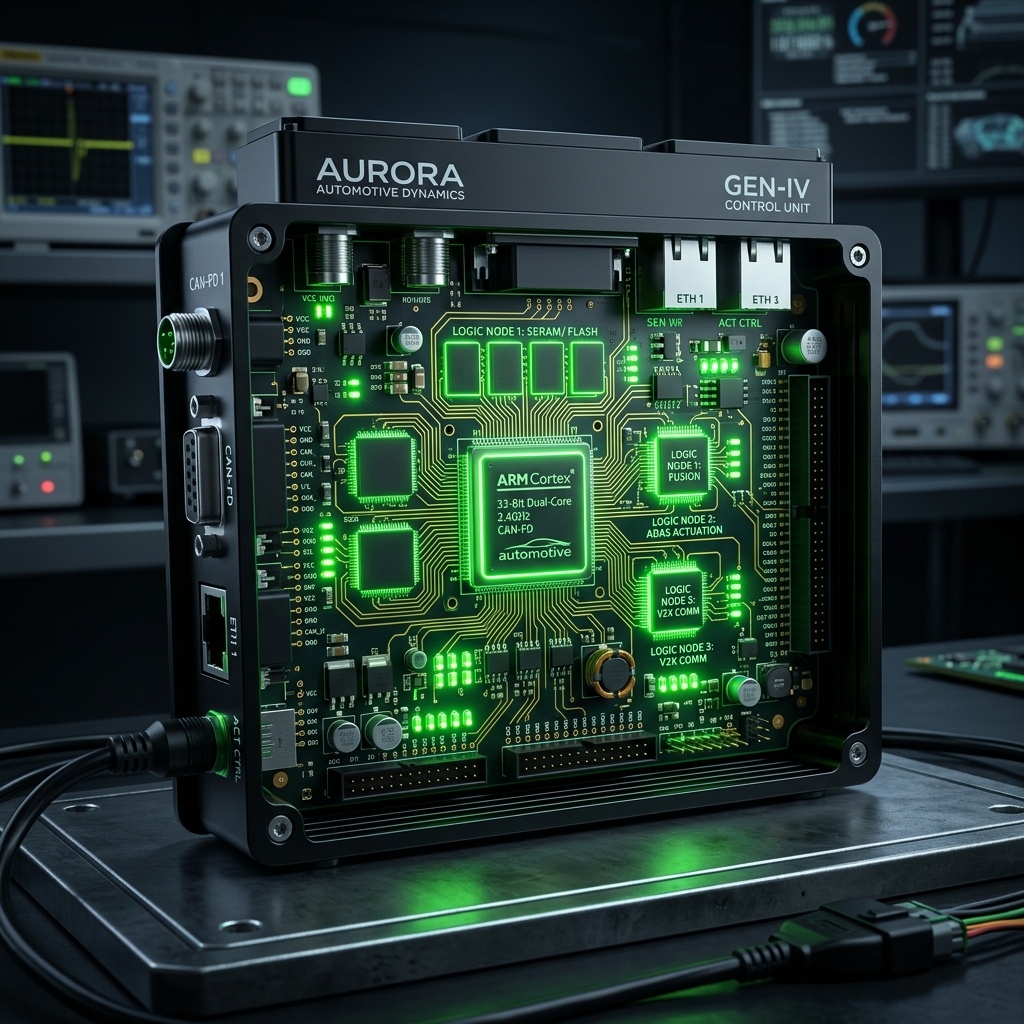
Developing modern 3nm ASICs involves handling billions of transistors, which exponentially increases test time and manufacturing costs. To keep tester usage economical, DFT engineers must design highly advanced scan compression architectures.
PPA Constraints and Gate-Level Congestion
At sub-5nm nodes, routing congestion and power-delivery constraints during scan shift are major pain points. Traditional scan architectures shift all chains simultaneously, inducing massive peak power draw that causes IR drop failures on the tester. Managing scan routing without degrading physical area or timing paths is a critical challenge.
Low-Power Shift Techniques and High Compression Ratios
Implementing advanced DFT architectures can mitigate tester power issues and reduce test volume. Highly optimized solutions include:
- Hierarchical DFT Compression: Partitioning DFT architectures into block-level codecs to allow parallel and independent module testing.
- Adaptive Scan Compression: Employing adaptive compression algorithms (e.g. Mentor Tessent TestKompress) to achieve 100x compression ratios.
- Power-Aware ATPG (X-Fill Control): Applying fill patterns that minimize toggling rates during scan shift, reducing dynamic power.
- Multi-Phase Clocking: Skewing scan shift clocks across different blocks to spread peak currents and prevent tester IR-drop.
Industrial EDA Toolchains for DFT Signoff
Modern DFT flows rely on Synopsys DFTMAX, Mentor Tessent, and Cadence Encounter DFT. These suites automate scan insertion, configure compression logic, verify scan chains, and generate STIL/WGL patterns for Advantest or Teradyne ATE platforms.
Conclusion
DFT planning is a critical bridge between design and manufacturing. Implementing low-power hierarchical compression at 3nm secures high test coverage while preventing tester-induced damage.