Architecture review
Confirm processor, FPGA, memory, interfaces, power, and mechanical constraints before schematic or board decisions harden.

EMBEDDED HARDWARE
Board-level engineering support for processor, FPGA, sensor, power, and interface-heavy products that need practical bring-up evidence.
Discuss your requirements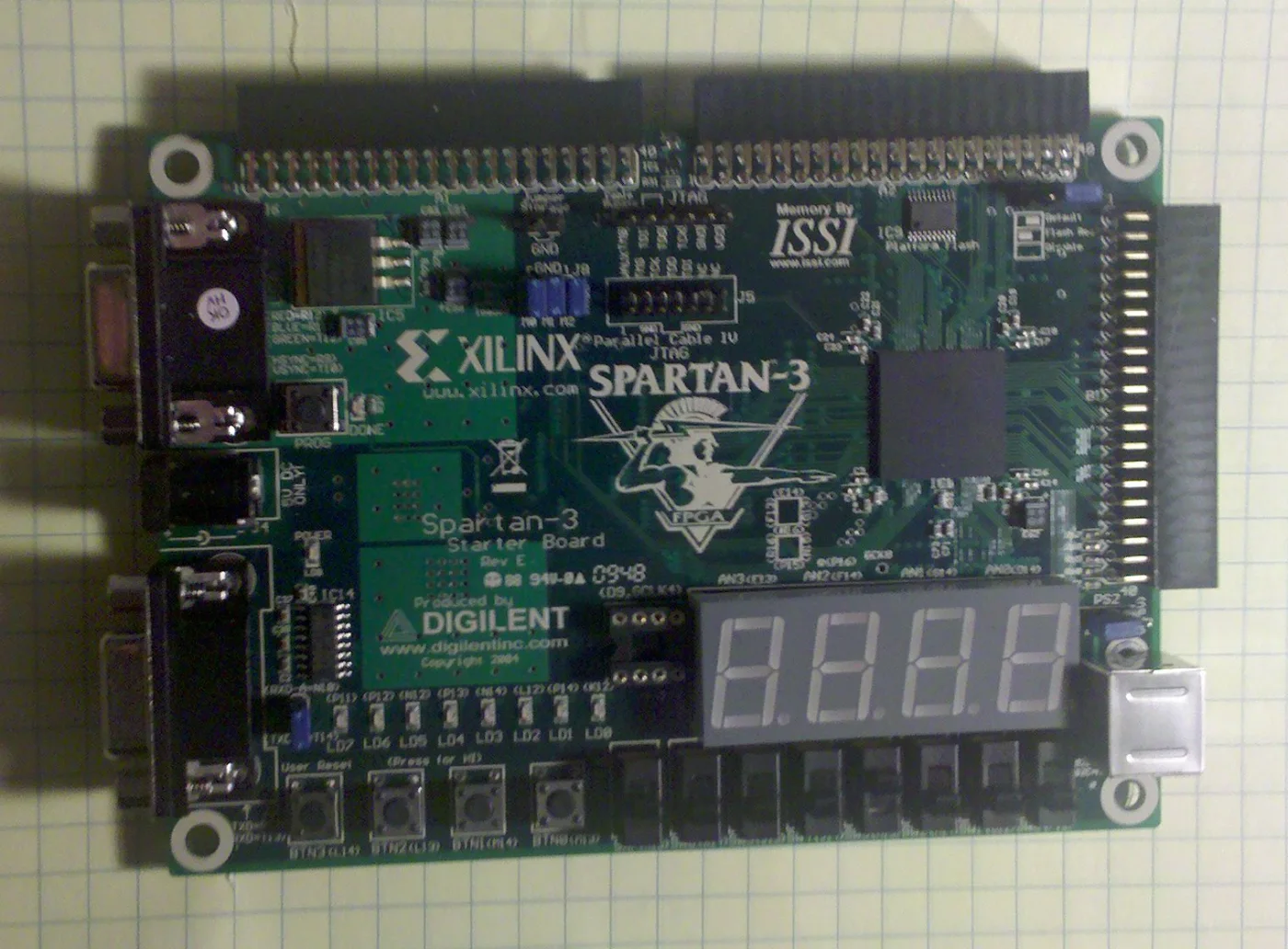
Hardware decisions should be visible at interface, power, and validation level.
THE ENGINEERING SCOPE
Confirm processor, FPGA, memory, interfaces, power, and mechanical constraints before schematic or board decisions harden.
Support schematic review, component selection, interface planning, signal integrity concerns, and bring-up readiness.
Connect hardware assumptions to measurable checks, debug access, board notes, and validation logs.
CLIENT GUIDE
A strong brief reduces ambiguity, keeps reviews technical, and helps both teams judge progress by evidence rather than presentation alone.
HOW WE WORK
Review the current specification, existing assets, constraints, stakeholders, schedule, and evidence needed for acceptance.
Convert the goal into scoped work packages, tool assumptions, interfaces, deliverables, review gates, and measurable acceptance criteria.
Execute the work with version-controlled sources, technical reviews, issue tracking, and periodic evidence snapshots.
Deliver sources, reports, documentation, known limitations, and the next-stage integration or validation checklist.
WORKFLOW
The exact flow is adjusted to the design state, tool environment, and client ownership model, but the review gates stay explicit.
Confirm processor, FPGA, memory, I/O, clock, reset, and power requirements.
Inspect schematic, layout assumptions, component choices, and risk areas.
Define debug access, measurement points, firmware needs, and first-power checks.
Document evidence, failures, fixes, and next revision recommendations.
INPUTS & OUTPUTS
The final statement of work defines the scope and acceptance criteria.
SEO GUIDE
Board-level engineering support for processor, FPGA, sensor, power, and interface-heavy products that need practical bring-up evidence. For a semiconductor or embedded programme, the value of embedded hardware for connected systems is not only the final file, report, or implementation result. The value comes from reducing ambiguity before expensive decisions are made. A clean page, specification, design review, or validation report should help engineering leaders understand what is known, what is assumed, what evidence exists, and what must be checked before the next commitment.
Avecas treats embedded hardware for connected systems as an engineering workflow rather than a presentation exercise. The team starts by separating the client goal from the available inputs, the constraints, and the risk areas. That distinction matters for IC design, embedded systems, software automation, packaging, and validation work because the wrong assumption can move quietly from one stage into another. The engagement therefore begins with a technical discovery step, followed by a scoped plan, implementation or review, and a handoff that explains the evidence behind the work.
Clients usually come with different levels of maturity. Some have only a product concept and need architecture direction. Some have RTL, firmware, layouts, scripts, or reports that need review. Others have a programme in execution and need a specialist team to own a work package. The Avecas process is designed to fit these states without forcing every engagement into the same template.
Before execution starts, Avecas reviews the technical input package and the business reason behind the work. For embedded hardware for connected systems, the useful inputs normally include the design stage, target application, tool or platform assumptions, interface boundaries, schedule pressure, and the evidence needed by the client team. If confidential material is required, the first discussion can still begin with a non-confidential summary so the scope can be shaped safely.
The review also defines ownership. A task can fail when two teams assume the other side owns an interface, testbench, build flow, constraint file, register map, or partner handoff. Avecas therefore documents what the client owns, what Avecas owns, what third parties own, and what depends on future access. This is especially important for turnkey projects, custom IP, physical implementation, DFT, embedded firmware, and post-silicon work where multiple teams must use the same technical assumptions.
The main review areas on this page are architecture review, board implementation support, bring-up evidence. Those areas are converted into work items, review gates, and deliverables. The aim is to make the work measurable enough that progress can be discussed with evidence rather than impressions.
The workflow for embedded hardware for connected systems follows a simple pattern: discover, define, engineer, and hand off. In the discovery stage, the team studies the current state and identifies missing information. In the definition stage, the scope is converted into responsibilities, milestones, and acceptance evidence. In the engineering stage, the work proceeds through controlled reviews. In the handoff stage, the deliverables are checked against the original acceptance plan.
This approach keeps the page useful for both buyers and technical teams. A procurement or leadership team can see the business shape of the engagement, while an engineering team can see the kind of inputs and outputs that will be discussed. It also improves SEO and answer-engine visibility because the page answers the practical questions people search for: what the service includes, what inputs are needed, how the workflow runs, what evidence is delivered, and how the engagement is scoped.
Avecas avoids promising unverifiable outcomes. Instead, the service page focuses on controllable engineering actions: reviewing assumptions, building or improving technical collateral, running agreed checks, documenting limitations, and helping the client make the next decision with more confidence. Where a result depends on foundry rules, third-party IP, board access, partner schedules, or silicon data, those dependencies are made explicit.
The final handoff for embedded hardware for connected systems depends on the statement of work, but it should always be understandable to the client team that receives it. Typical handoff material includes source files or reviewed collateral, configuration notes, reports, test or validation evidence, issue lists, and next-step recommendations. If the work is advisory, the output may be a decision memo, risk register, review report, or partner-ready checklist. If the work is implementation-oriented, the output may include sources, scripts, constraints, build instructions, and integration notes.
The handoff is written to support continuity. Another engineer should be able to understand what was done, why it was done, what was checked, what was not checked, and what should happen next. This matters for long semiconductor programmes where people, tools, and priorities change over time. It also helps clients use Avecas as a specialist partner without losing internal visibility.
For organisations evaluating Avecas, this page should serve as a starting point for a focused technical conversation. The best next step is to share a short description of the product, the current engineering state, the problem to solve, and the timeline. Avecas can then help decide whether the right engagement is a small review, a defined work package, an extended engineering support model, or a broader turnkey programme.
BEFORE WE BEGIN
A clear conversation is the start of a strong engineering relationship.
Start with a non-confidential summary, target application, design stage, constraints, interfaces, and the decision you need to make. Proprietary sources, schematics, reports, or tool access can be shared after access and disclosure terms are agreed.
Scope is controlled through agreed inputs, milestones, ownership boundaries, review cadence, and acceptance evidence. Changes are captured as explicit scope updates so schedule, risk, and deliverables remain visible.
The handoff depends on the service, but normally includes the agreed sources or collateral, review notes, reports, scripts or build instructions, validation evidence, and a known-issues register.
YOUR NEXT CHAPTER STARTS HERE
Bring us your engineering challenge.
Let’s define the path from idea to implementation.