

The Power Transition: How GaN and SiC are Driving the 2026 EV Surge and Grid Modernization
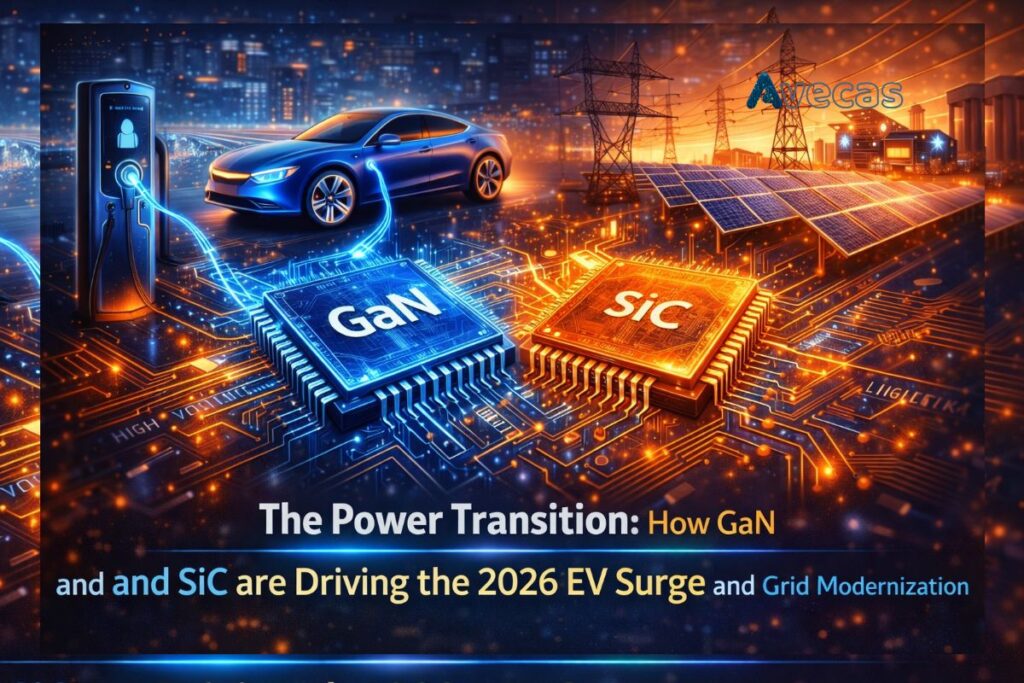
For decades, the semiconductor industry was synonymous with silicon. It was the reliable, abundant material that powered everything from the first microprocessors to the modern cloud. However, as we move through 2026, the physical limitations of traditional silicon have become a significant bottleneck for the two most critical transitions of our time: the mass electrification […]
Post-Quantum Cryptography (PQC) at the Hardware Level: Securing 2026 Chips Against Future Quantum Threats

In the world of cybersecurity, there is a looming deadline known as “Q-Day”, the moment a quantum computer becomes powerful enough to break the encryption standards that protect nearly all of the world’s digital data. Today’s asymmetric encryption, such as RSA and ECC, relies on the mathematical difficulty of factoring large prime numbers or solving […]
Silicon Photonics: Overcoming the “Copper Wall” with Light-Based Data Transmission in Data Centers
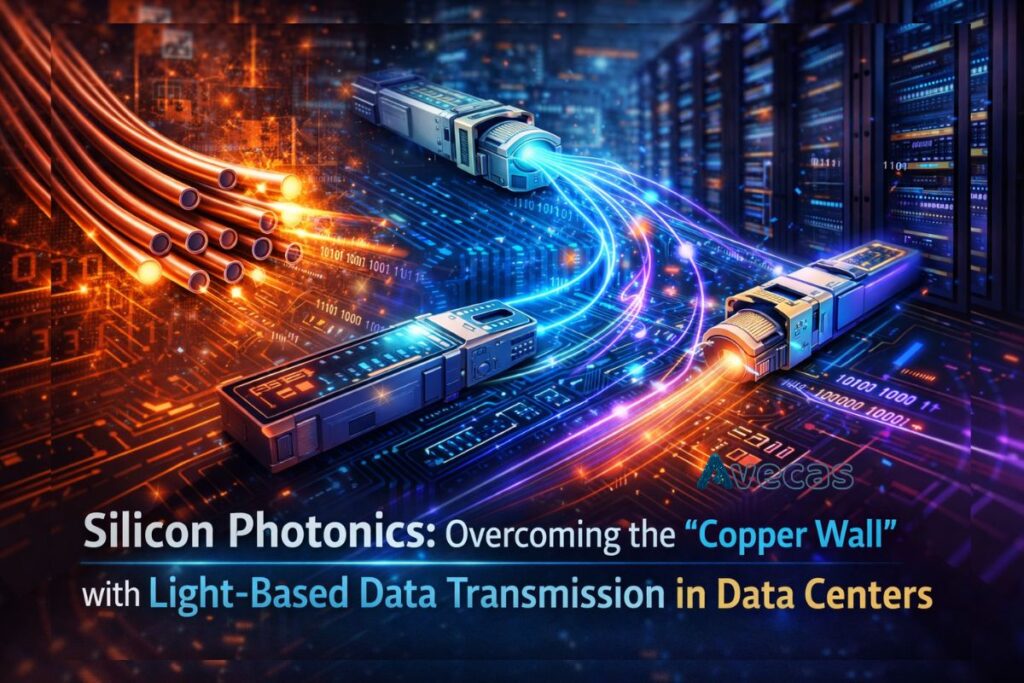
For decades, the movement of data within a data center has relied almost exclusively on electrons traveling through copper wires. Whether it is a trace on a PCB, a high-speed cable between servers, or the microscopic interconnects inside a processor, copper has been the reliable medium of choice. However, as AI training models grow exponentially […]
Supply Chain Traceability: Using Digital Product Passports (DPP) to Meet New Global Compliance Standards

In the early days of the semiconductor industry, a chip was a black box. Once it left the fabrication plant, its origins, the ethical status of its raw materials, and its carbon footprint were often lost in a sea of logistics and middlemen. However, the world of 2026 no longer accepts this lack of transparency. […]
Thermal Management in 3D-ICs: Advanced Cooling Solutions for Vertically Stacked High-Performance Dies
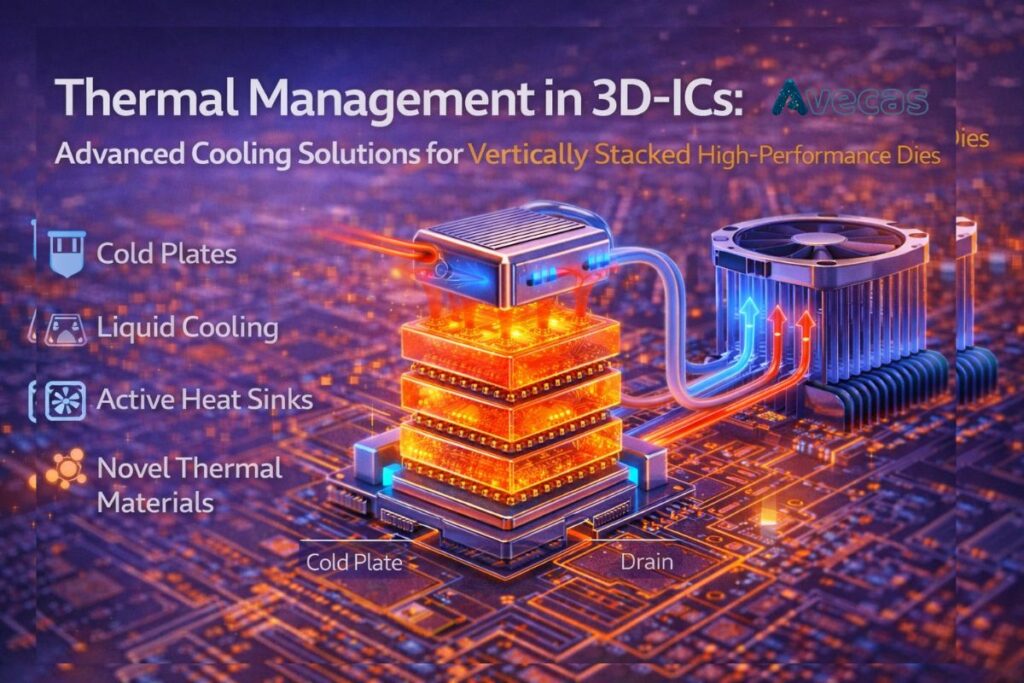
The move toward 3D Integrated Circuits (3D-ICs) is driven by the need for shorter interconnects, higher bandwidth, and a smaller physical footprint. By stacking dies vertically, we can achieve levels of performance that are simply impossible with traditional 2D layouts. However, this architectural leap comes with a significant physical cost: heat. In a standard 2D […]
The 2nm Transition, Navigating the Challenges of GAAFET Architectures
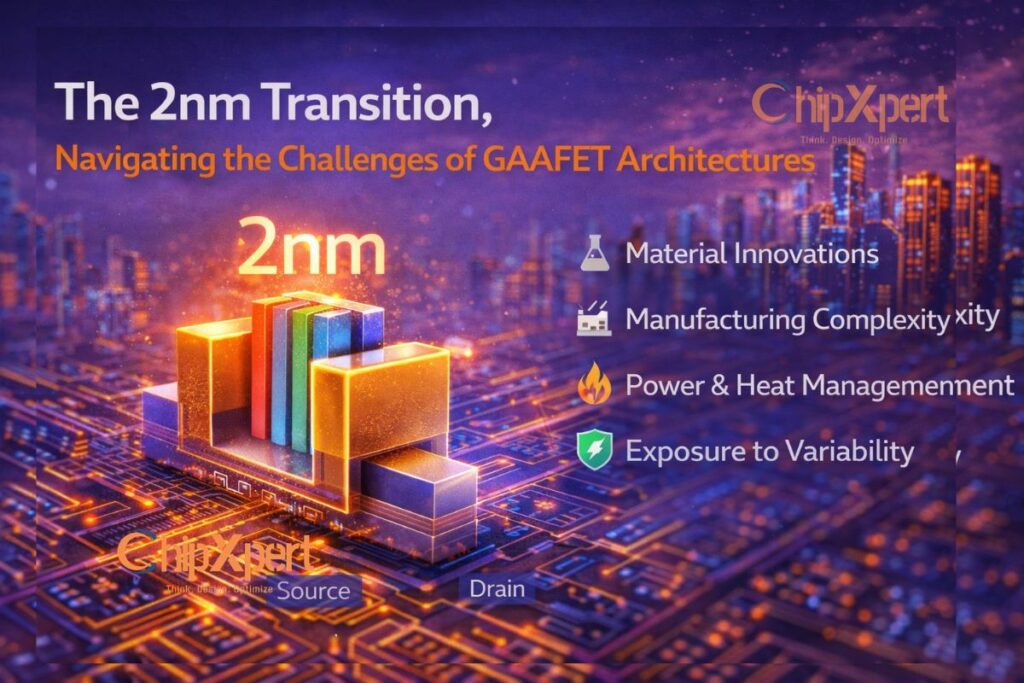
Introduction The semiconductor industry is entering a transformative phase with the transition to 2nm technology nodes. As traditional FinFET architectures approach their physical limits, Gate-All-Around Field Effect Transistors, GAAFETs, are emerging as the next breakthrough in transistor design. This shift is not just an incremental improvement, it is a fundamental architectural evolution that enables higher […]
Neuromorphic Computing: Moving Beyond Von Neumann Architectures for Brain-Inspired Silicon
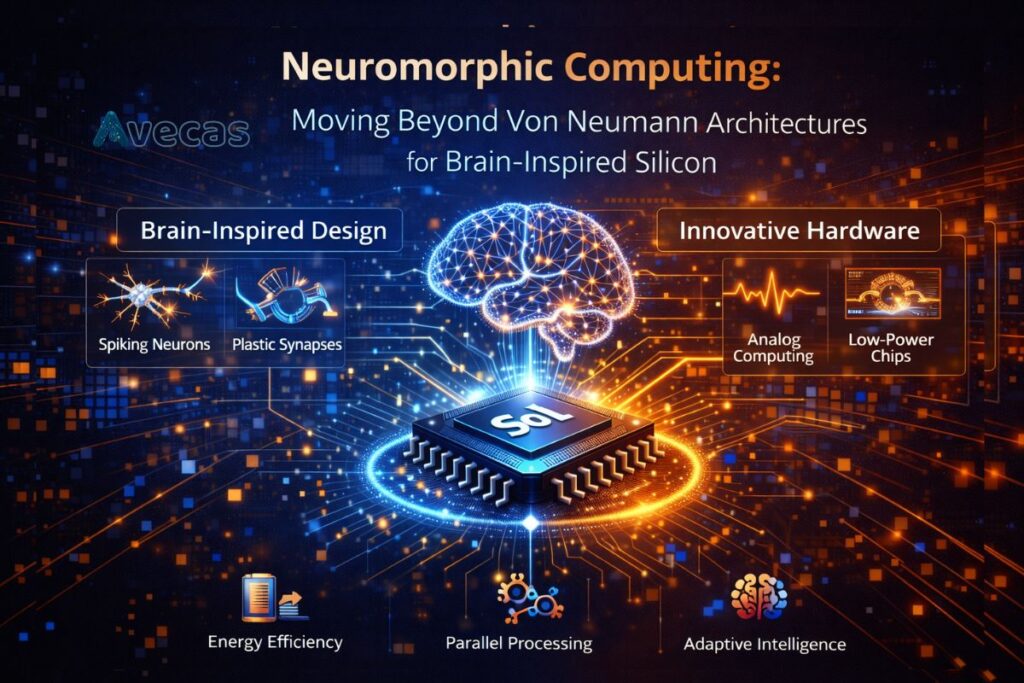
For over seventy years, the foundation of every computer—from the massive mainframes of the 1950s to the smartphone in your pocket has remained virtually unchanged. We have lived in the era of the Von Neumann architecture, a design where the processing unit and memory are physically separate entities. While this model has powered the digital […]
Hardware-Software Co-Design: Why System-Level Awareness is the Secret to 2026 SoC Success
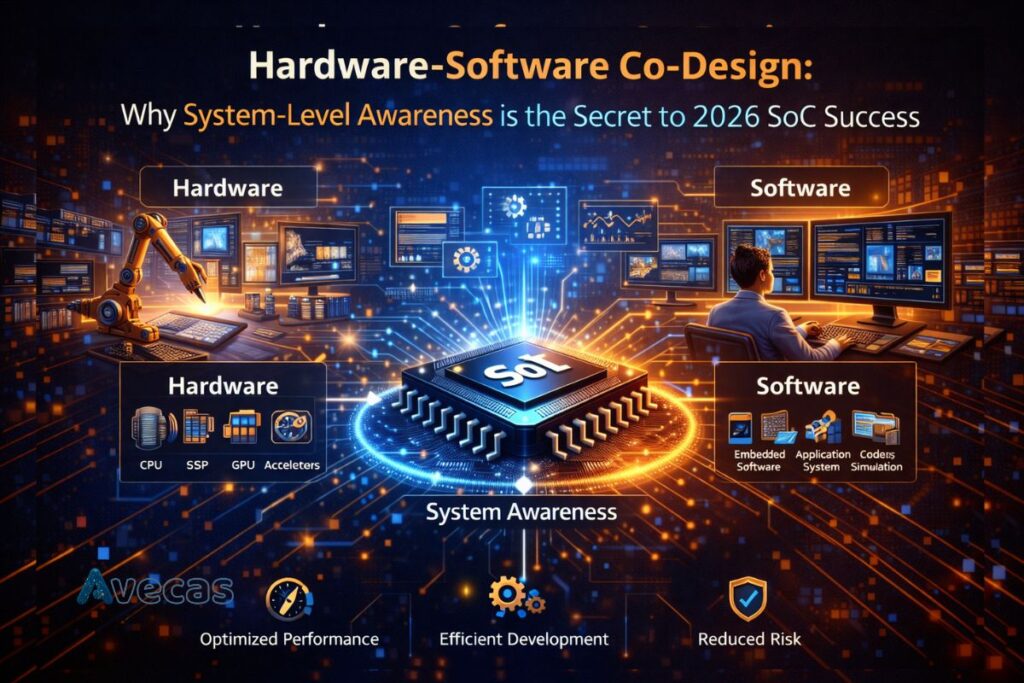
For decades, the semiconductor industry operated in functional silos. The hardware team would spend eighteen months architecting a “general-purpose” System-on-Chip (SoC), optimizing for peak clock speeds and theoretical throughput. Once the silicon was finalized, they would “throw it over the wall” to the software team, who were then tasked with making the code run efficiently […]
Beyond Automation: How Agentic AI in EDA is Redefining the Future of Chip Design
The semiconductor industry has always been a game of complexity. For decades, we’ve relied on Electronic Design Automation (EDA) tools to help us manage the billions of transistors packed onto modern silicon. But as we move deeper into the sub-5nm era, even our most advanced tools are hitting a wall. The sheer volume of design […]
Role of Agentic AI in Advancing Semiconductor Innovation
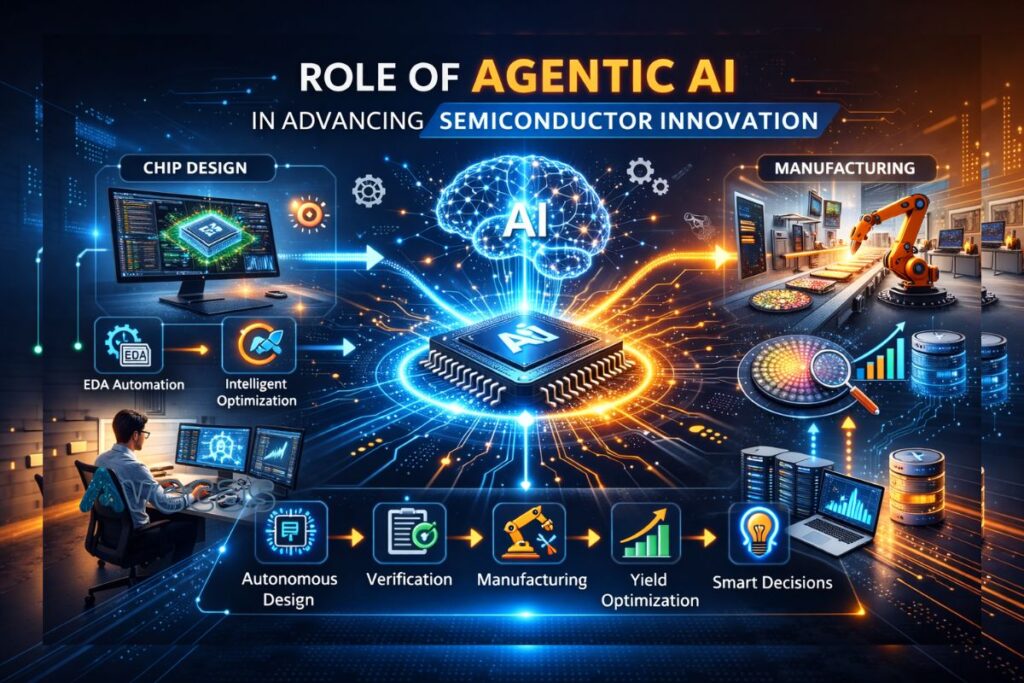
Introduction The semiconductor industry is entering a new era where complexity, scale, and time-to-market pressures are higher than ever. As chips grow more advanced and design cycles become tighter, traditional workflows struggle to keep pace. This challenge has opened the door for a new form of artificial intelligence known as Agentic AI. Unlike conventional AI […]