Technical starting point
Tool inventory, compute/storage needs, access roles and support requirements.

CAD INFRASTRUCTURE
Make engineering environments reproducible and maintainable.
Discuss your requirements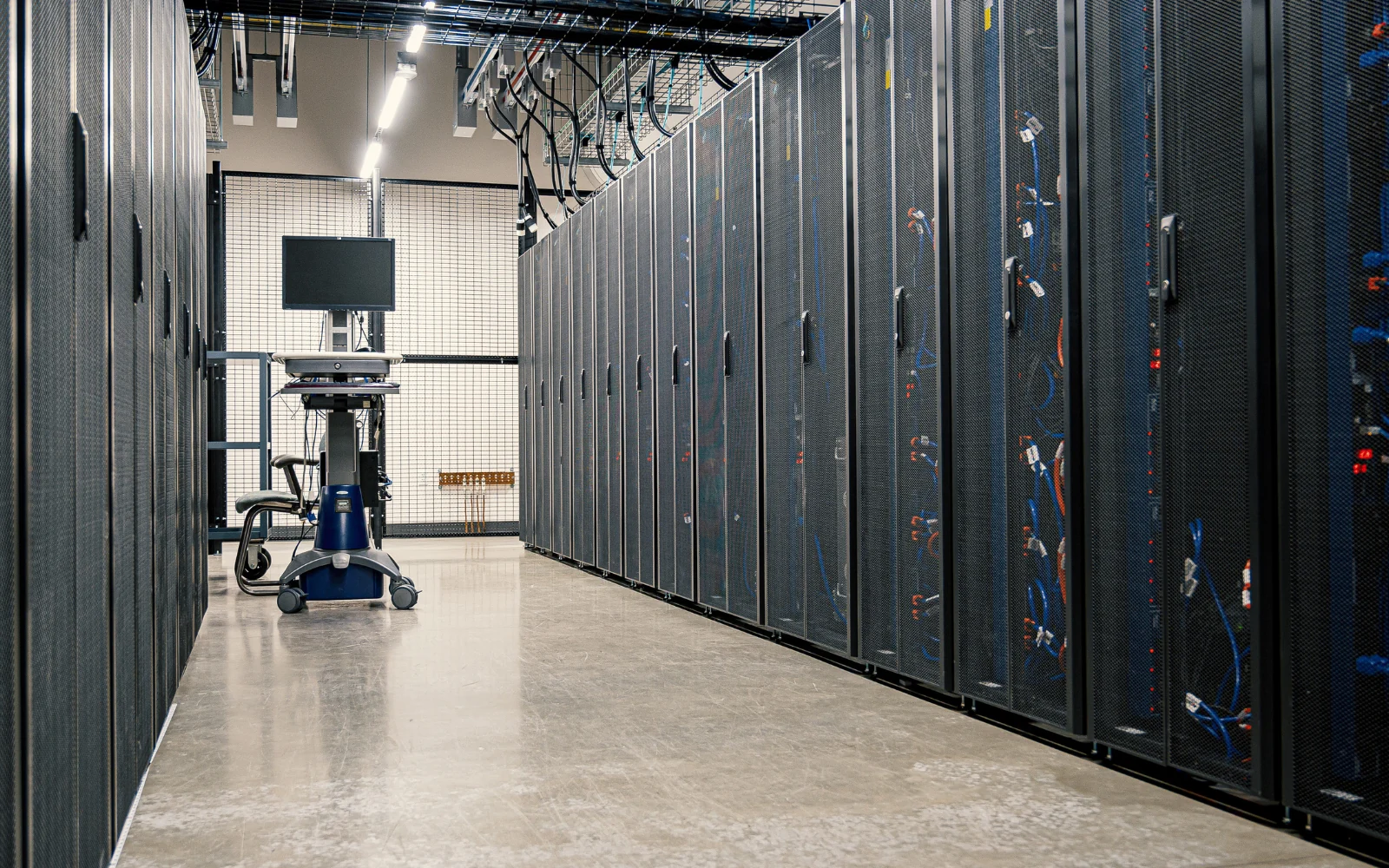
Illustrative engineering photography.
THE ENGINEERING SCOPE
Tool inventory, compute/storage needs, access roles and support requirements.
Version drift, permissions, capacity and job reproducibility.
Environment definitions, operating procedures and validation records.
CLIENT GUIDE
Use these technical checkpoints to make the first project review productive.
HOW WE WORK
The initial review establishes the baseline using tool inventory, compute/storage needs, access roles and support requirements. Record gaps and dependencies before implementation.
Carry out the agreed work against the reviewed baseline. For cad infrastructure, keep the interfaces and configuration used by this stage visible to the receiving team.
Retain the intermediate artifacts and review version drift, permissions, capacity and job reproducibility. Investigate failures before using these results as an input to the next stage.
Package environment definitions, operating procedures and validation records. Review unresolved findings against the agreed acceptance criteria and assign ownership for follow-up.
PROJECT DECISIONS
Use these gates to agree readiness, review evidence and responsibility at each stage.
Are the starting inputs complete enough to proceed?
Tool inventory, compute/storage needs, access roles and support requirements.
Record input revisions, missing material and who can resolve each dependency.
Has the work addressed the agreed technical objective?
Make engineering environments reproducible and maintainable.
Keep the intermediate artifacts with review comments and the decisions that changed the design.
Can the result be reproduced and interpreted?
Version drift, permissions, capacity and job reproducibility.
Capture the configuration, expected result, observed result and unresolved findings.
Can the receiving team use the delivery package?
Environment definitions, operating procedures and validation records.
Review build or execution instructions, known limitations and ownership of follow-up actions.
INPUTS & OUTPUTS
The final statement of work defines the scope and acceptance criteria.
TECHNICAL DECISIONS
Make engineering environments reproducible and maintainable.
The work starts from tool inventory, compute/storage needs, access roles and support requirements. The team should identify the authoritative revision of each input and record any assumptions needed to proceed. This prevents a later result from being interpreted against a different specification or configuration.
Keep licences and proprietary design data within authorised access boundaries.
The review centres on version drift, permissions, capacity and job reproducibility. Each finding should identify the input revision, observed behaviour and supporting evidence. Distinguish a confirmed defect from a configuration issue, an unsupported case or an open engineering question before deciding how to resolve it.
The practical sequence is: map dependencies; configure environments; validate representative jobs; document recovery. Intermediate reviews allow the client to resolve decisions while changes are still manageable. If an input changes, identify the affected activities and repeat the checks that depend on it.
The expected package comprises environment definitions, operating procedures and validation records. Acceptance criteria should specify what the receiving team needs to reproduce, inspect or integrate these artifacts. Include known limitations and outstanding actions in that package, rather than assuming that delivery of a file implies acceptance.
An EDA or design-enablement flow combines tools, libraries, technology data, scripts and project configuration. Establish the supported versions and the authority for each input. Confirm access rights and permitted use of PDK and IP material before sharing it. Keep confidential collateral within the approved environment; an automation task should not silently change where protected files are stored.
Automation needs explicit success criteria at each stage. Capture exit status and the reports that establish whether the stage achieved its engineering objective. A command finishing without an error message may still leave missing outputs, incomplete analysis or unacceptable violations. Make restart behaviour and dependencies visible so a partial rerun cannot accidentally combine incompatible revisions.
Validate a methodology change on representative cases, including a deliberately failing case where practical. Compare results and runtime with the baseline, then explain differences. Package usage instructions, required configuration, supported platforms and limitations with the scripts. Reference checks help teams recognise a broken environment before a large production run consumes time and compute.
A wrapper script reports success after a tool writes a warning and omits the expected output database. Add a check for the required artifact and its associated report, retain the tool log and return a failing stage status. Re-run both a known-good case and a controlled failure. This illustrates flow validation rather than endorsing any specific vendor setup.
Inventory the supported tool releases, runtime dependencies, storage paths and project access requirements. Decide which settings belong to the shared environment and which are owned by an individual project. Keep the environment definition under change control so an engineer can explain why a run differs from an earlier baseline. Record required licence availability without exposing licence keys or server credentials in public artifacts.
Size storage and compute around actual workloads and retention needs. Interactive debugging, regression jobs and large implementation runs can have different resource patterns. Establish quotas, monitoring and a documented escalation path before a capacity problem disrupts a milestone. Review who can read design data, alter shared configurations or access archived outputs, and use the project security requirements to guide those decisions.
Validate an infrastructure change with representative jobs before expanding its scope. Check that expected files, reports and logs are produced and that permissions remain appropriate. The handoff should describe the supported environment, recovery procedure, known limitations and operational owner. Availability of a server alone does not demonstrate that a complete engineering flow is usable.
BEFORE WE BEGIN
A clear conversation is the start of a strong engineering relationship.
The starting review needs tool inventory, compute/storage needs, access roles and support requirements. Share the current revision and known limitations so the scope reflects the actual design state.
The statement of work can define environment definitions, operating procedures and validation records. The final package should include review results and any open actions.
Keep licences and proprietary design data within authorised access boundaries.
The first work package can be a review of the available inputs and the engineering questions that must be resolved. Agree its boundaries, access requirements and expected findings before committing to a larger implementation. A review should leave an actionable list of decisions, dependencies and next steps.
Tie each finding to the relevant revision and supporting evidence. A change should identify the affected interfaces, activities and checks. Confirm its effect on scope and delivery with the responsible owner. At handoff, distinguish closed findings, accepted limitations and open work so that a file transfer is not mistaken for technical acceptance.
PUT THE WORKFLOW IN CONTEXT
Practical reading to help prepare your project discussion. Studies are illustrative; they do not report client results.
Making an EDA run reproducible across engineering handoffs ↗YOUR NEXT CHAPTER STARTS HERE
Bring us your engineering challenge.
Let’s define the path from idea to implementation.