EXPLORE AVECAS
Category: Technology
Perspectives on silicon design, verification, embedded systems, and the engineering decisions behind them.
Dec 26, 2025
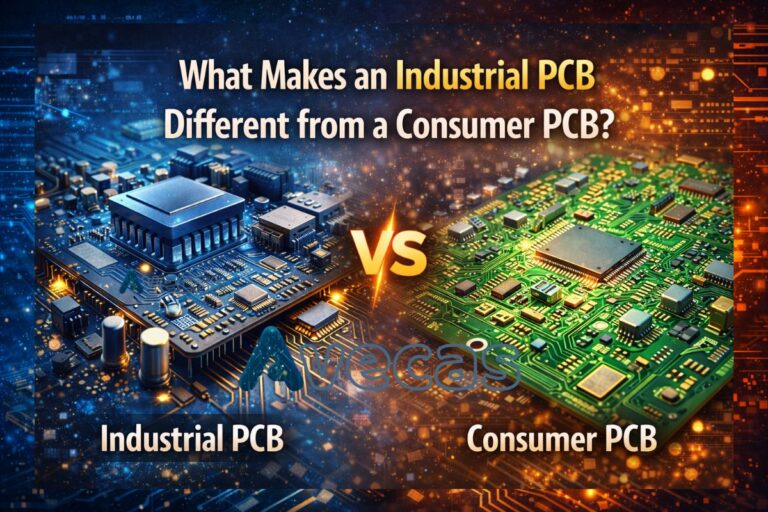
Printed circuit boards form the foundation of every electronic product, from smartphones and home appliances to factory automation systems and power infrastructure. While industrial…
Read article What Makes an Industrial PCB Different from a Consumer PCB? ↗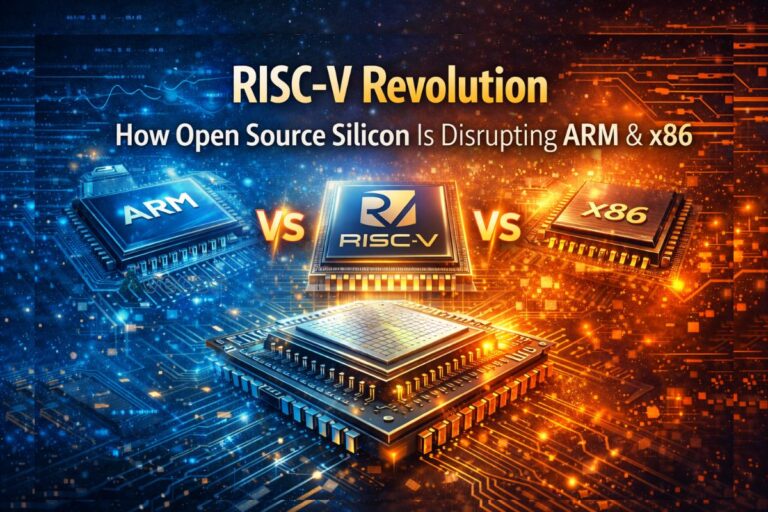
Dec 25, 2025
The semiconductor industry is witnessing one of its most important shifts in decades. For years, processor architectures have been dominated by two major ecosystems,…
Read article RISC-V Revolution – How Open Source Silicon Is Disrupting ARM & x86 ↗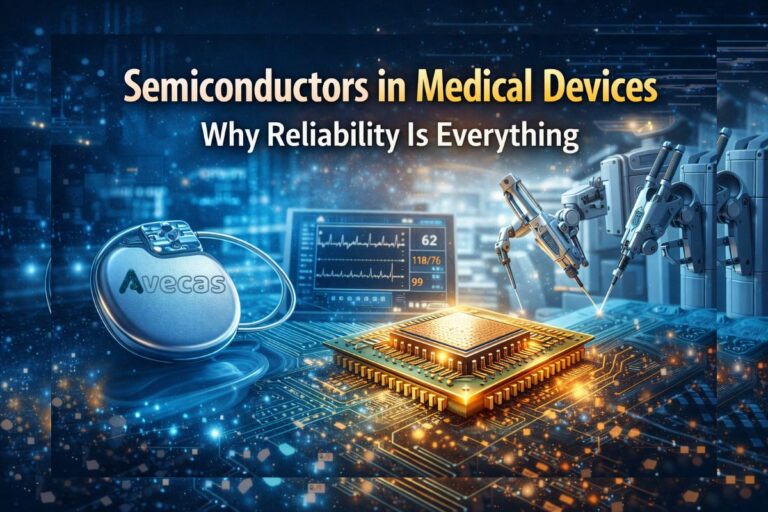
Dec 24, 2025
Semiconductors play a silent but critical role in modern healthcare. From diagnostic imaging and patient monitoring to implantable devices and robotic surgery systems, medical…
Read article Semiconductors in Medical Devices – Why Reliability Is Everything ↗
Dec 23, 2025
The convergence of multiple factors makes this decade uniquely powerful. Policy support, private investment, global demand, talent readiness, and technology evolution are all aligning…
Read article Why 2025–2030 Will Be Semiconductor Golden Years for India ↗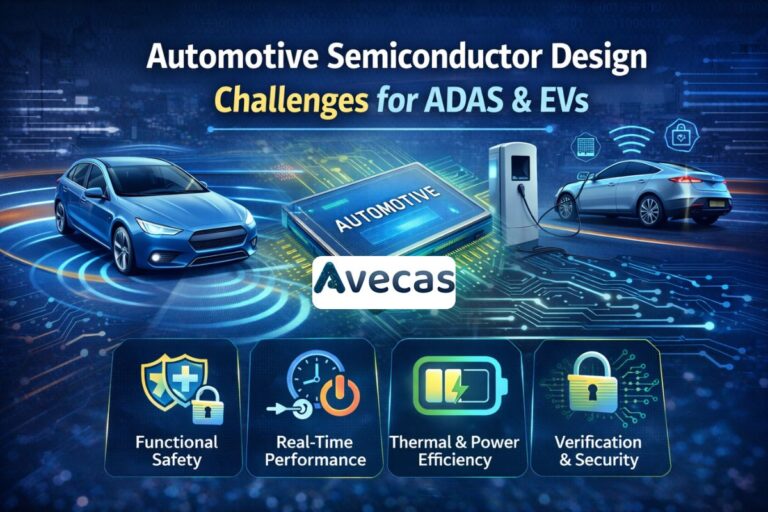
Dec 22, 2025
The global automotive industry is experiencing a once-in-a-generation transformation. Vehicles are rapidly evolving from mechanical machines into software-defined, sensor-driven electronic systems. At the center…
Read article Automotive Semiconductor Design Challenges for ADAS & EVs ↗
Dec 20, 2025
The semiconductor industry is standing at a major inflection point. For decades, classical silicon chips have powered every digital breakthrough, from personal computing to…
Read article Quantum Chips vs Classical Silicon – What to Expect Next? ↗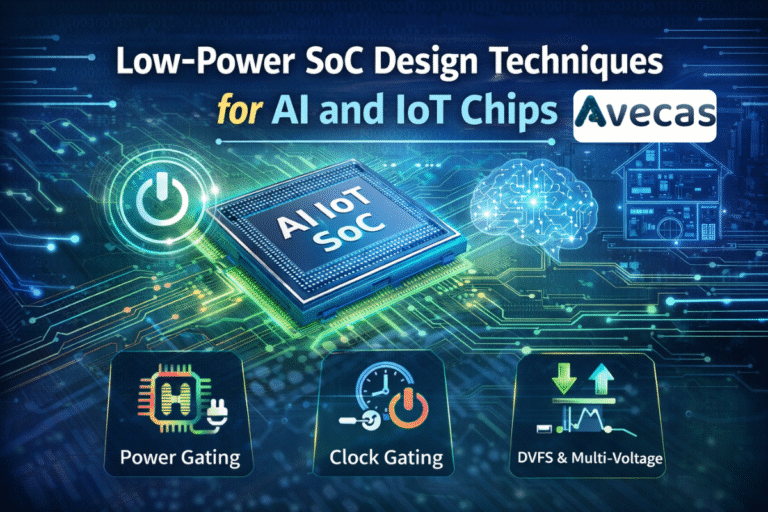
Dec 19, 2025
As AI and IoT devices become part of everyday life, power efficiency has emerged as one of the most critical challenges in modern semiconductor…
Read article Low-Power SoC Design Techniques for AI and IoT Chips ↗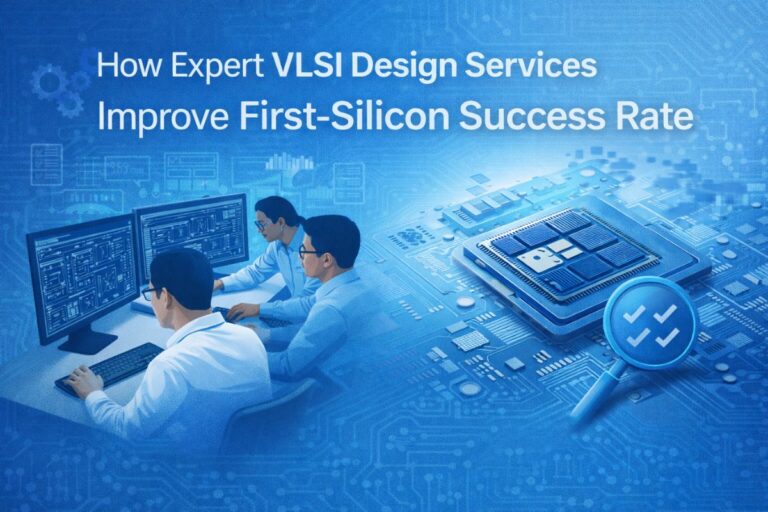
Dec 18, 2025
In the semiconductor industry, achieving first-silicon success is one of the most critical milestones in a chip development project. First-silicon success means that a…
Read article How Expert VLSI Design Services Improve First-Silicon Success Rate ↗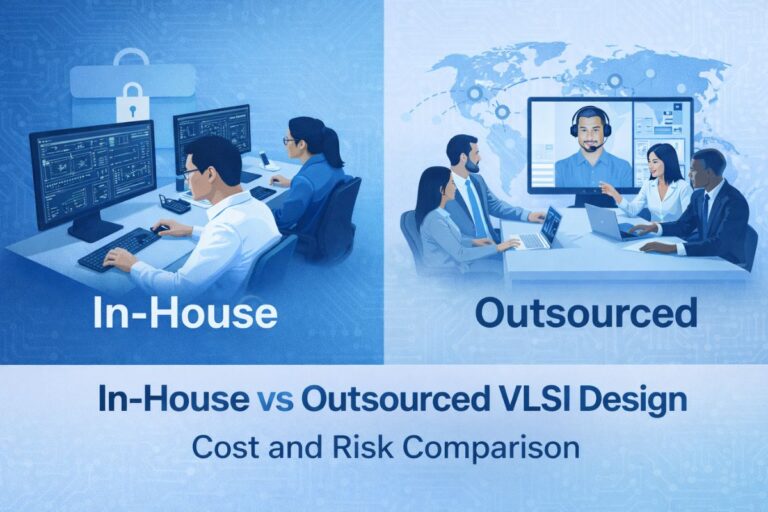
Dec 16, 2025
As semiconductor products become more complex and time-to-market pressures increase, companies face a crucial strategic decision: should VLSI design be handled in-house or outsourced…
Read article In-House vs Outsourced VLSI Design: Cost and Risk Comparison ↗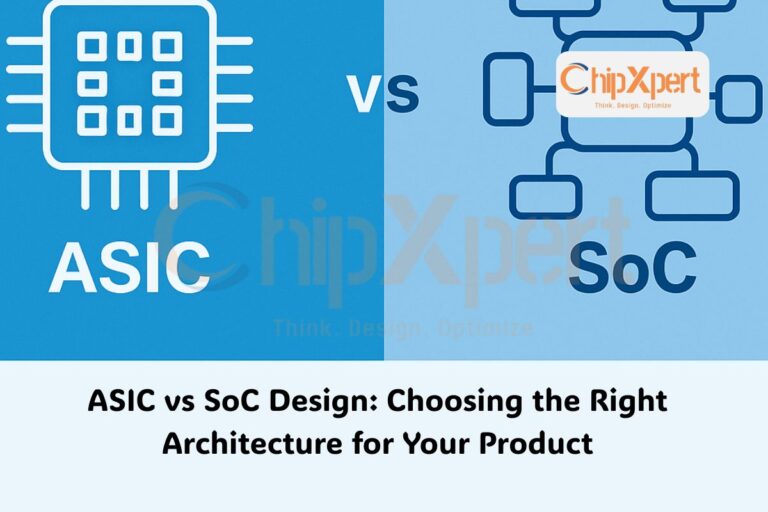
Dec 15, 2025
In today’s fast-moving semiconductor industry, choosing the right chip architecture can define the success or failure of a product. Two of the most common…
Read article ASIC vs SoC Design: Choosing the Right Architecture for Your Product ↗