Glass Substrates vs. Organic: Why the Industry is Shifting Materials for High-Speed AI Interconnects

For decades, the semiconductor industry has relied on organic materials, specifically epoxy-based laminates, to serve as the foundation for chip packaging. These organic substrates have been the workhorse of the industry, providing a cost-effective and reliable way to connect silicon dies to printed circuit boards. However, as we enter the era of hyperscale AI and […]
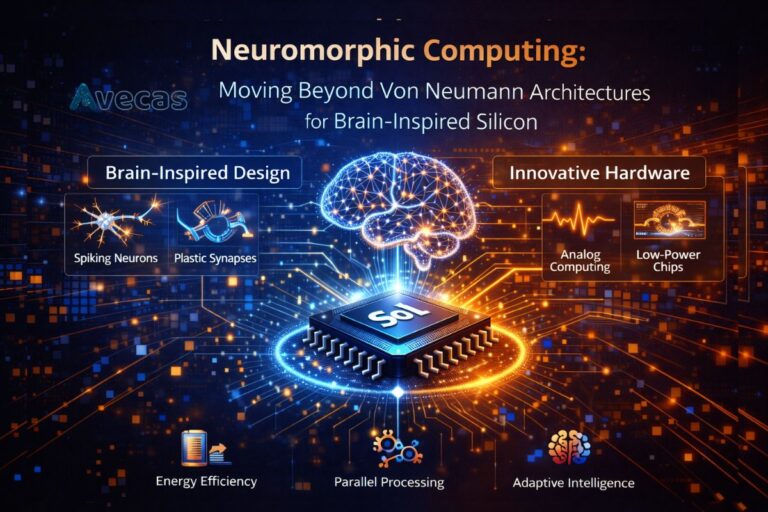
Neuromorphic Computing: Moving Beyond Von Neumann Architectures for Brain-Inspired Silicon
For over seventy years, the foundation of every computer—from the massive mainframes of the 1950s to the smartphone in your pocket has remained virtually unchanged. We have lived in the era of the Von Neumann architecture, a design where the processing unit and memory are physically separate entities. While this model has powered the digital […]
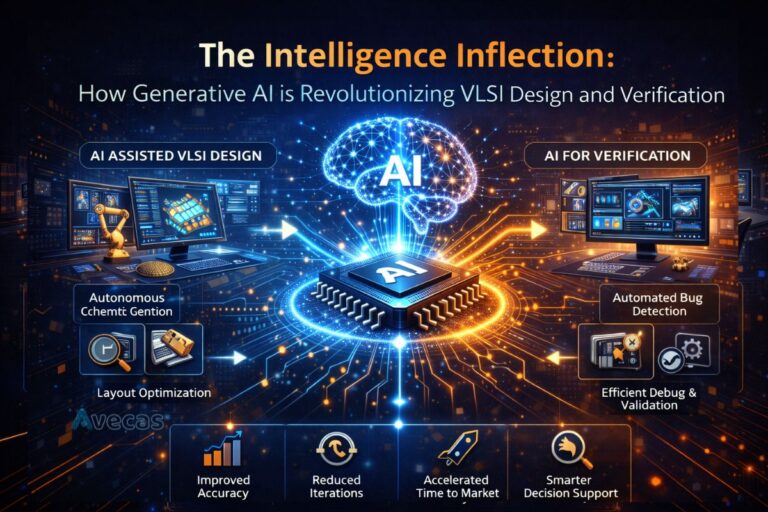
The Intelligence Inflection: How Generative AI is Revolutionizing VLSI Design and Verification

The semiconductor industry is currently navigating its most significant paradigm shift since the introduction of Logic Synthesis in the 1980s. As we push the boundaries of 2nm and 3nm process nodes, the sheer complexity of modern Integrated Circuits (ICs) has outpaced human-centric design methodologies. We are no longer just designing chips; we are managing massive, […]
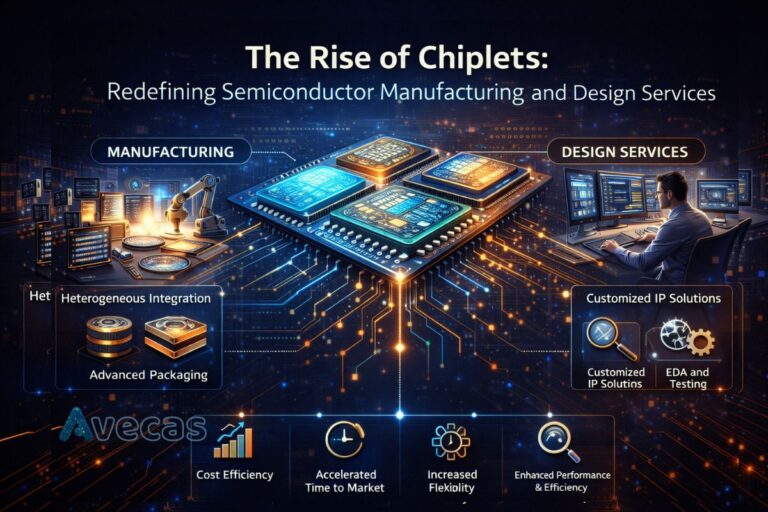
The Rise of Chiplets: Redefining Semiconductor Manufacturing and Design Services
For decades, the semiconductor industry followed a predictable path: make transistors smaller to pack more power onto a single piece of silicon. However, as we approach the physical limits of atomic-scale manufacturing, the “monolithic” approach, where every component is on one large die is becoming prohibitively expensive and technically challenging. Enter the era of Chiplets […]
The Future of Backend Semiconductor Engineering in the AI Era
Introduction Backend semiconductor engineering has always been one of the most demanding phases of chip development. As designs move to advanced technology nodes and system complexity grows, backend teams face increasing pressure to deliver high performance, low power, and manufacturable silicon within shorter timelines. With artificial intelligence becoming deeply embedded into electronic design automation and […]
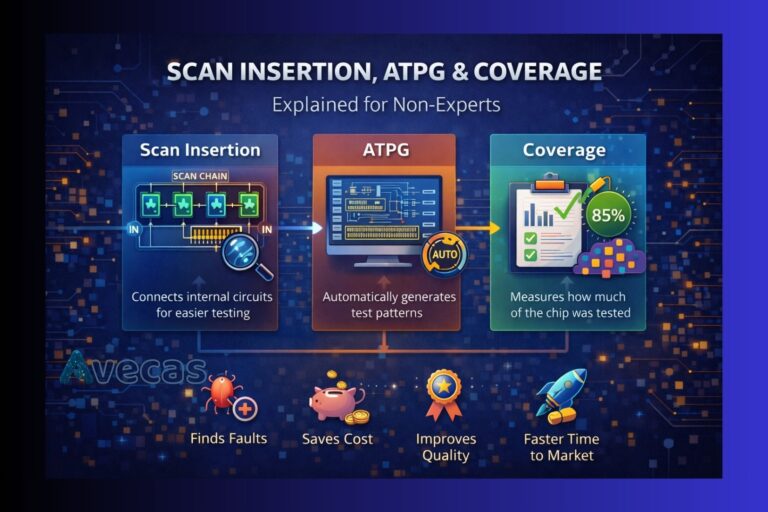
Scan Insertion, ATPG and Coverage Explained for Non-Experts

Introduction Modern semiconductor chips are extremely complex, containing millions or even billions of transistors. Ensuring that every part of a chip works correctly after manufacturing is a major challenge. This is where Design for Testability, often called DFT, becomes essential. Three key concepts in DFT are scan insertion, ATPG, and test coverage. While these terms […]
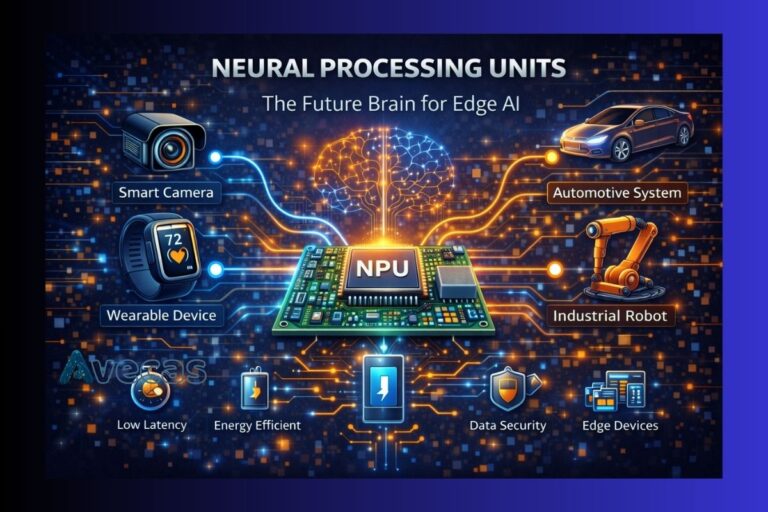
Neural Processing Units, The Future Brain for Edge AI

Introduction Artificial intelligence is rapidly moving closer to where data is generated, at the edge. From smart cameras and wearables to autonomous machines and industrial sensors, modern devices are expected to analyze data instantly without relying on constant cloud connectivity. This shift has created the need for specialized hardware, and that is where Neural Processing […]
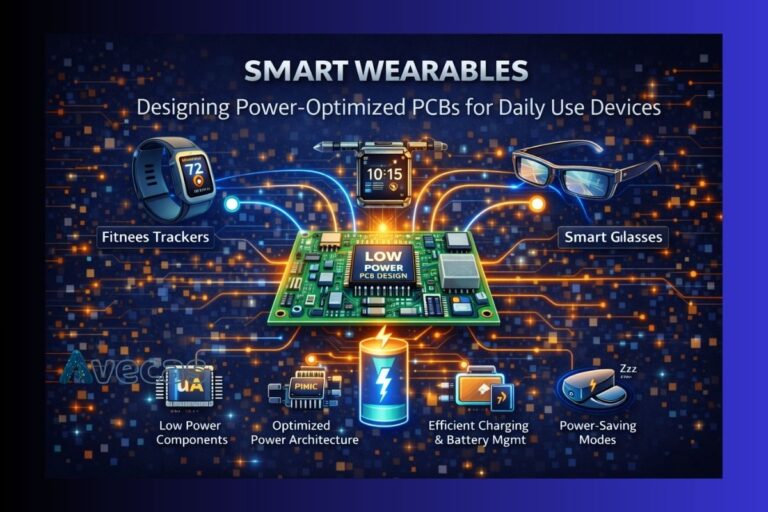
Smart Wearables: Designing Power-Optimized PCBs for Daily Use Devices

Introduction Smart wearables have become an essential part of everyday life. From fitness trackers and smartwatches to medical monitoring devices and smart glasses, users expect wearables to be lightweight, reliable, and capable of lasting all day or longer on a single charge. Behind this user experience lies a critical engineering challenge, power-optimized PCB design. Designing […]
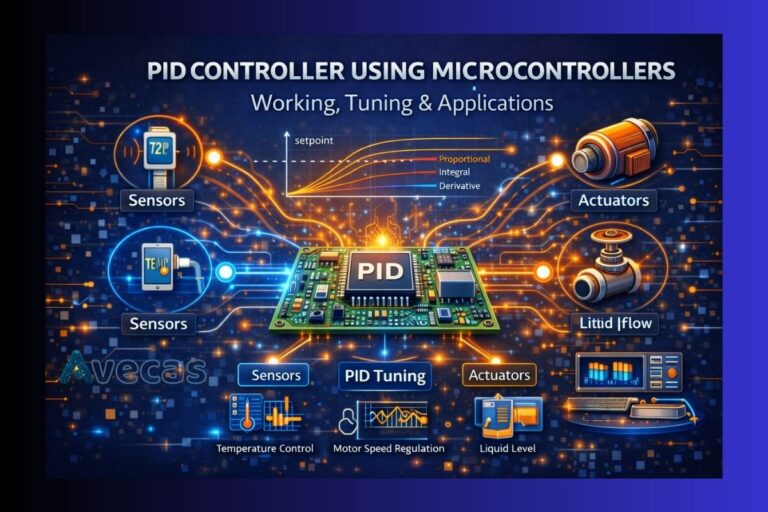
PID Controller Using Microcontrollers, Working, Tuning and Applications

Introduction In automated systems where control precision matters, a PID controller stands out as one of the most reliable and effective control strategies. When implemented using microcontrollers, a PID controller can manage variables like temperature, speed, position and flow, providing smooth and stable operation in embedded applications. In this article, we explore what a PID […]
Signal Conditioning for IoT Sensors, Techniques and Best Practices

Introduction In the world of IoT, sensors are the starting point for real world data collection. Whether monitoring temperature, motion, pressure or environmental conditions, sensor outputs are often raw signals that cannot be used directly by microcontrollers or data systems. Signal conditioning prepares these raw signals for accurate processing, increasing precision, reliability and overall performance […]